odiorne point state park
EXPLORING HABITATS
Do you know that while the spectacular rocky shore is the one of the most notable habitats of OPSP, there are seven distinctly different habitats in the park, including forest woodlands, salt marsh, grassy fields, freshwater and salt ponds, and sandy beach (non-swimming) that combine to make Odiorne one of the region’s most biologically diverse places to explore.
WHAT IS A HABITAT?
A habitat is a place, or an environment, where something lives. In other words, a habitat is a plant or animal’s home. The deep ocean, a tiny stream, and a snowy mountain top are all examples of habitats.
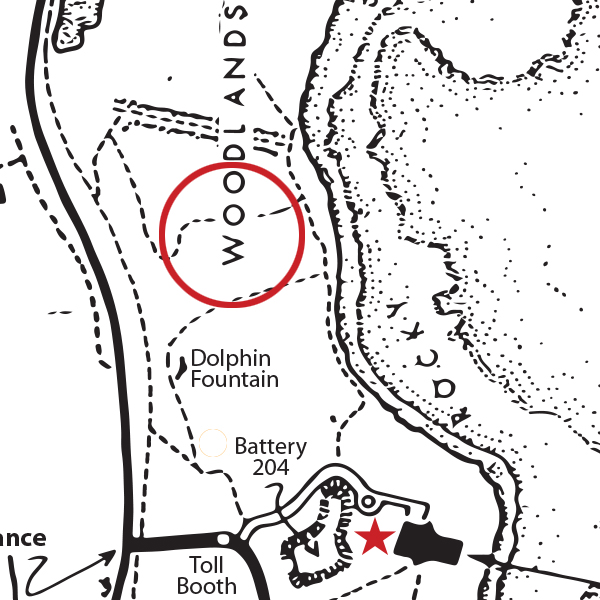
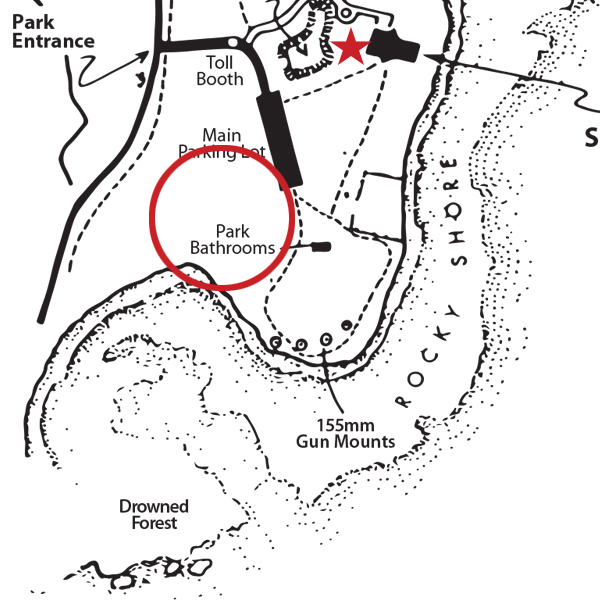
How many habitats can you find in Odiorne Point State Park?
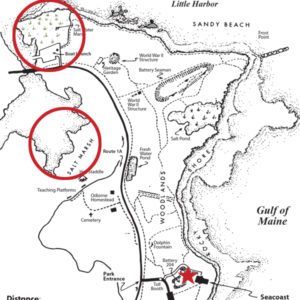
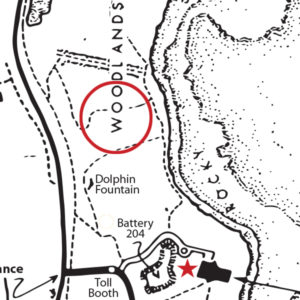
Take a walk around the park and see if you can match the locations to the habitats listed below.
What do you notice?
Using your senses, make as many observations as you can. What questions arise from your observations?
Questions for Exploration
● Close your eyes. Take a deep breath. What do you smell? Hear? Open your eyes and sketch what you see.
● What does this habitat remind you of?
● What do you think makes this habitat a nice place to live? What do you think makes it a challenging place to live?
● If you lived in this habitat, what plant or animal would you be? Where would you make your home? What would you eat?
● If you were a plant, what adaptations might help make it easier to live here? Why are these adaptations important for survival?
While exploring these habitats please stay on the trails.
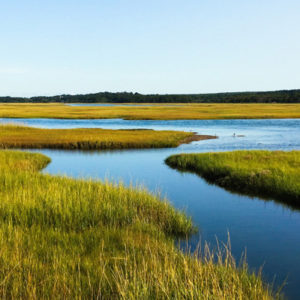
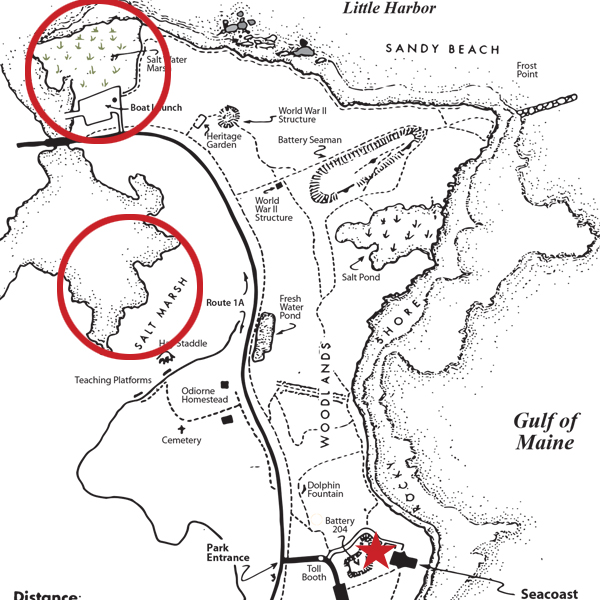
SALT MARSH
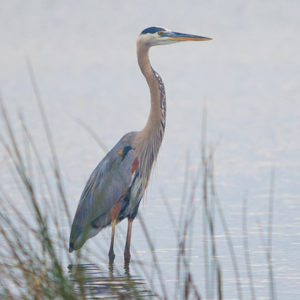
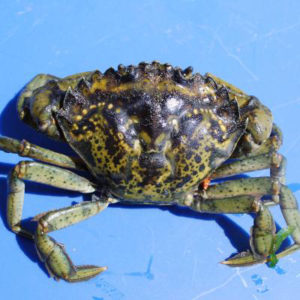
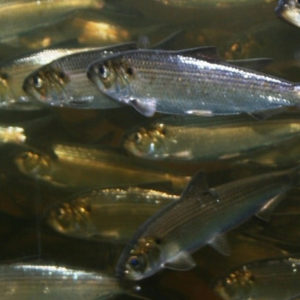
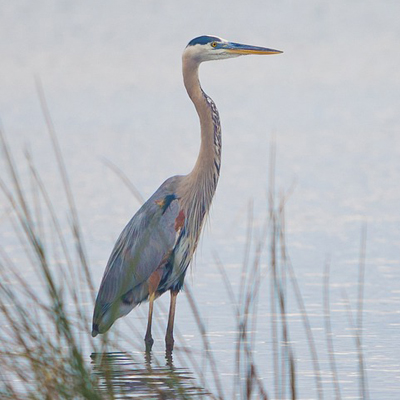
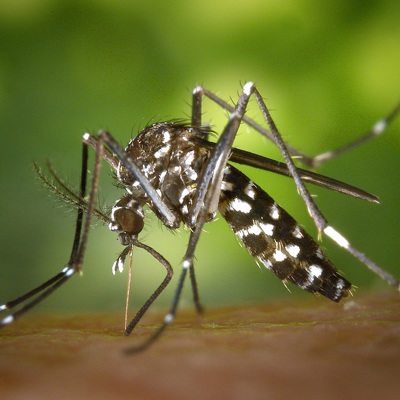
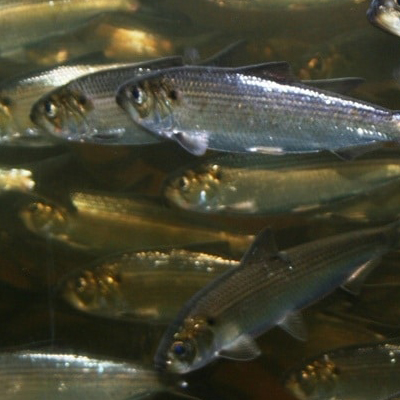
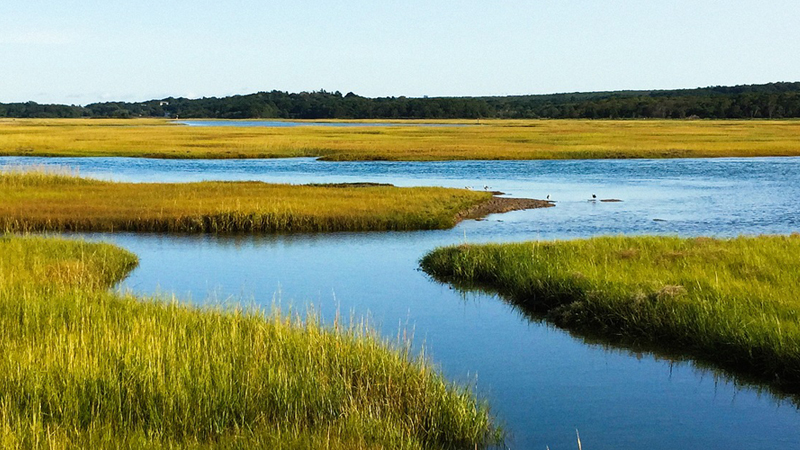
Salt marshes are coastal wetlands that are regularly flooded and drained with tidal seawater. They grow in marshy soils made up of deep mud and decomposed and compressed plant material called peat. Salt marshes help to maintain healthy fisheries, coastlines and communities. They provide shelter, food and nursery grounds for many coastal fisheries species. Salt marshes also protect shorelines from erosion by creating a buffer against wave action.
ROCKY SHORE
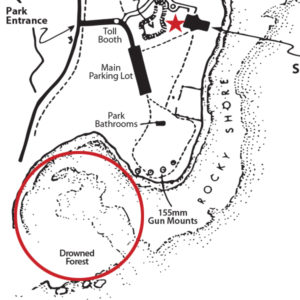
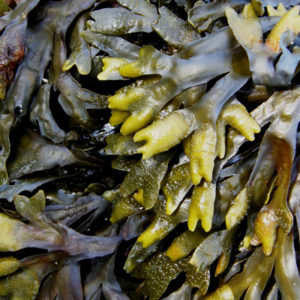
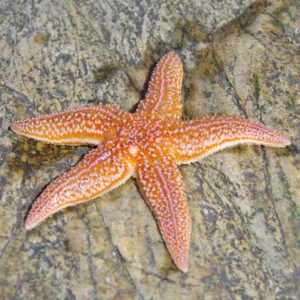
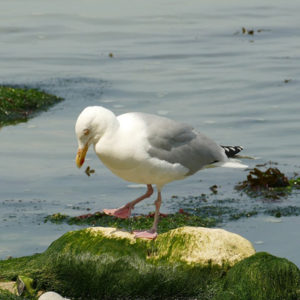
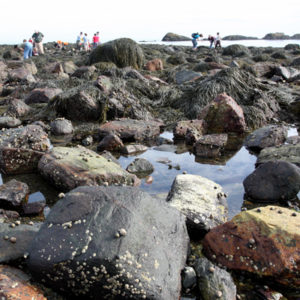
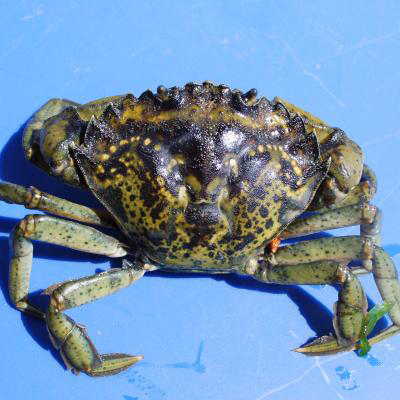
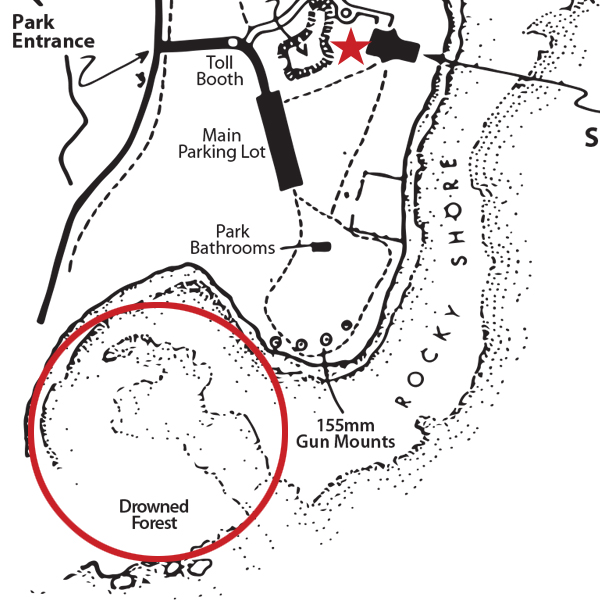
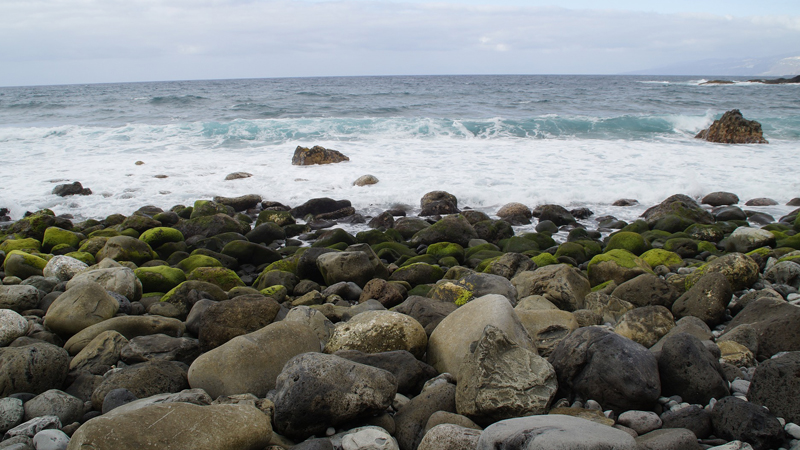
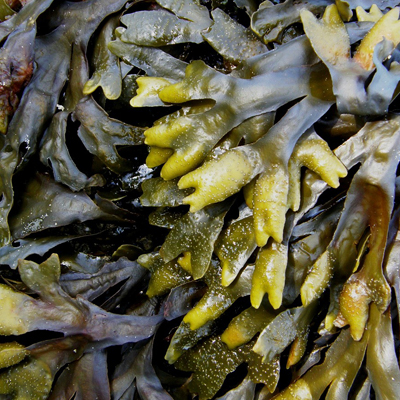
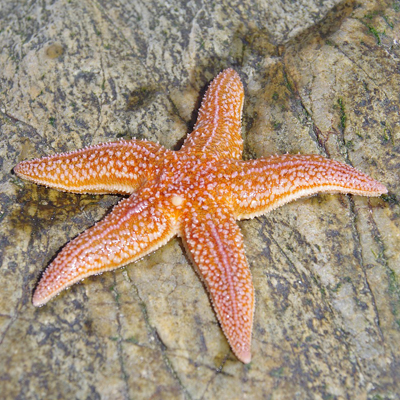
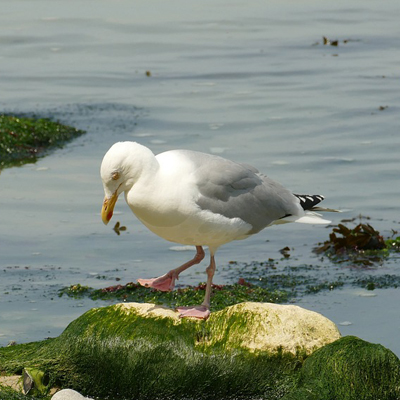
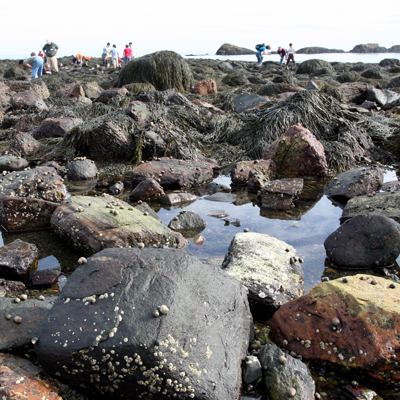
The rocky shore, or rocky intertidal, is one of the hardiest, most biodiverse, and variable ocean habitats. Twice each day, as sea levels rise with the tide, salty water rushes in to submerge the rocky shoreline. At low tide, seawater recedes to reveal small pools and crevices filled with algae and marine invertebrates such as sea stars, sea urchins, snails, crabs and other sea life.
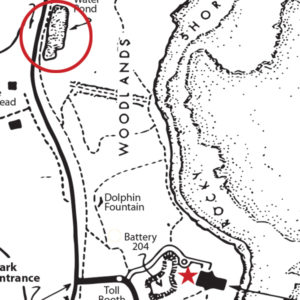
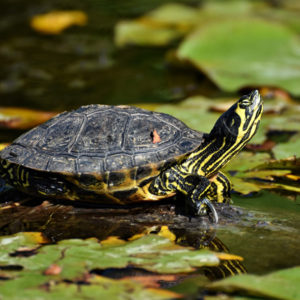
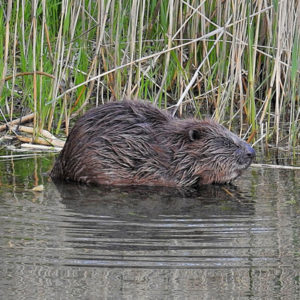
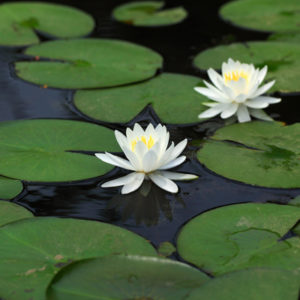
FRESH WATER POND
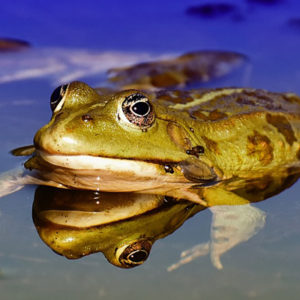
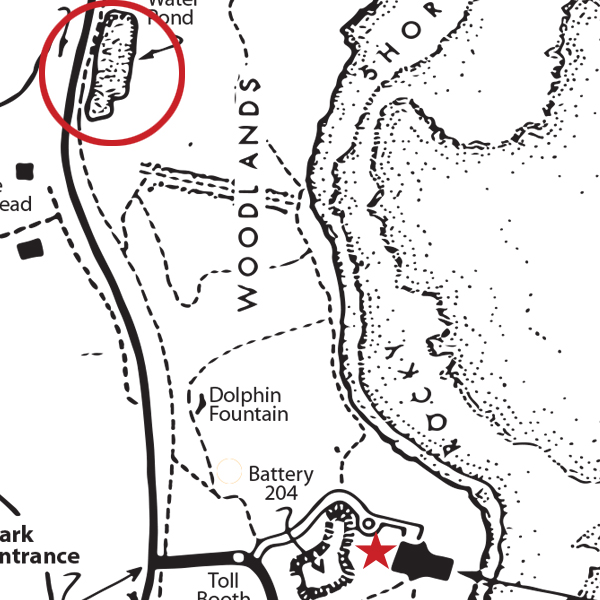
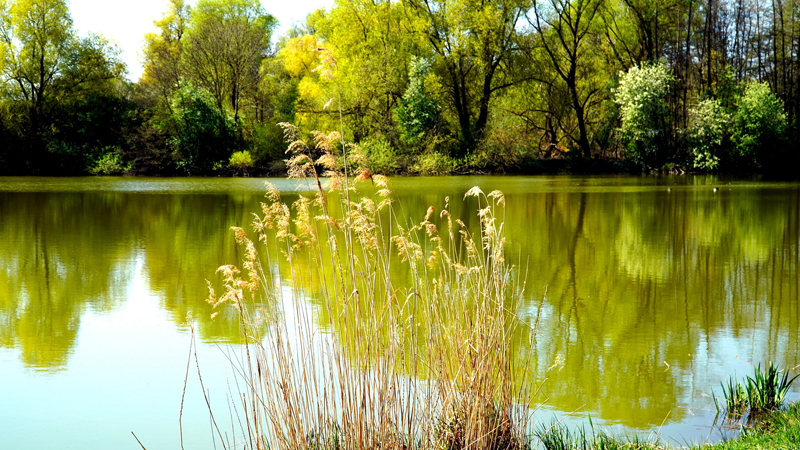
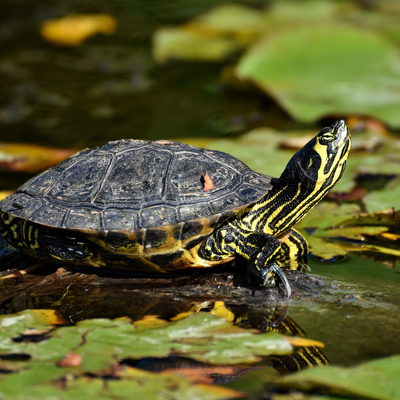
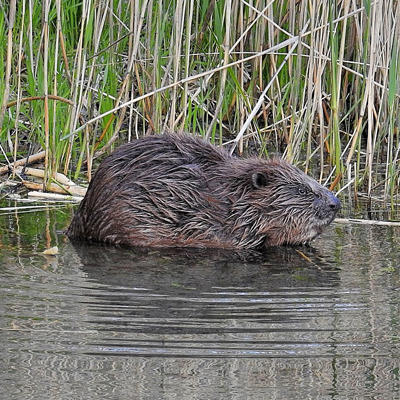
Ponds are considered to be part of the freshwater habitat, which are divided into flowing water and standing water. Standing water habitats are divided into lakes, ponds, and swamps. Ponds can be even further divided into those with bare bottoms and those whose bottoms contain vegetation.

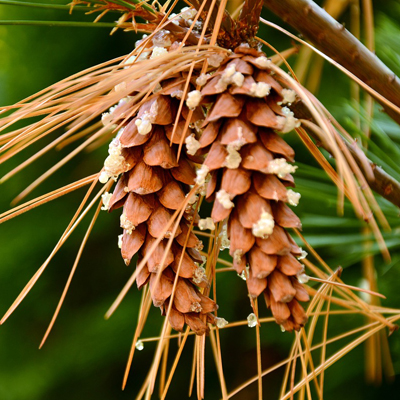
FOREST
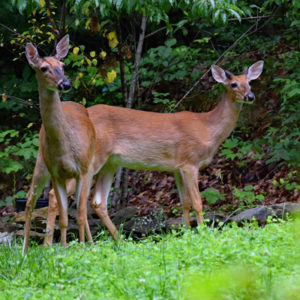
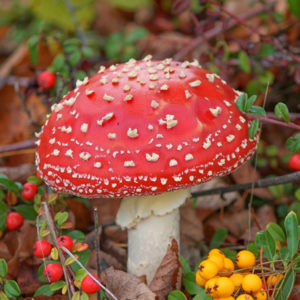
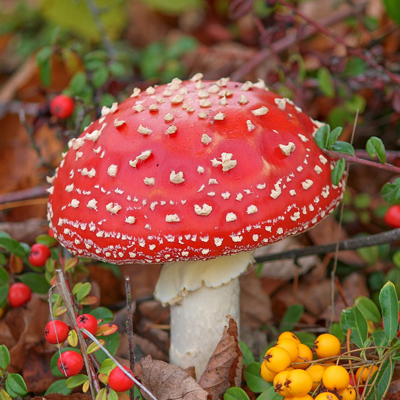
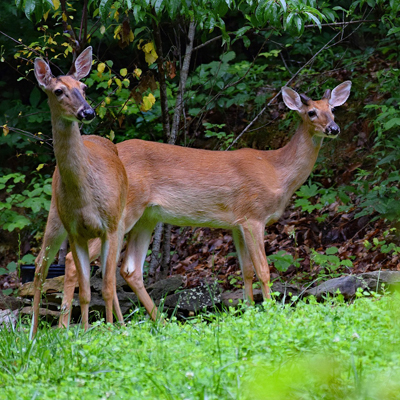
Although dominated by trees, shrubs and large woody vegetation, forest habitats also include other components, such as: bacteria, plants, birds, mammals, reptiles, amphibians, soil, water and air. All of these components, when functioning properly in a healthy forest habitat, work together to support this peaceful and important environment.



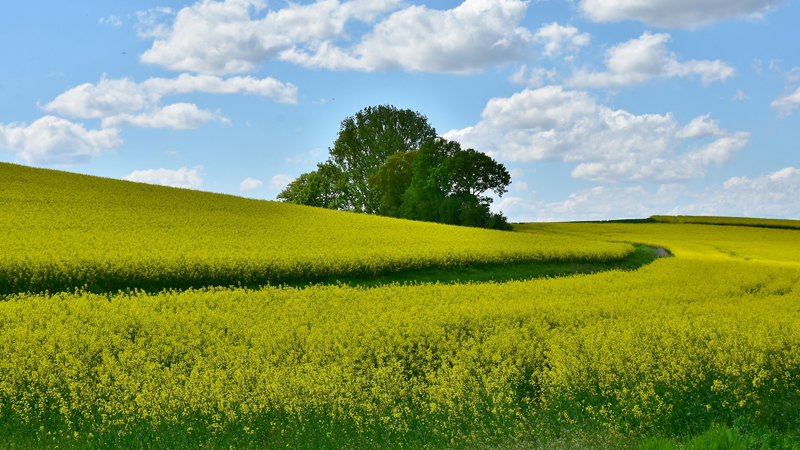
GRASSY FIELD
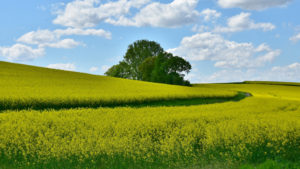
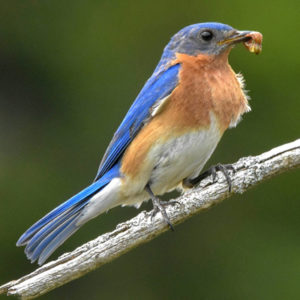
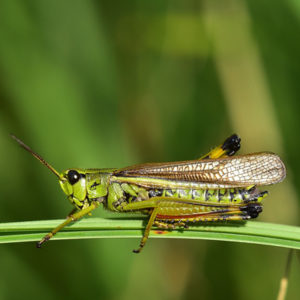
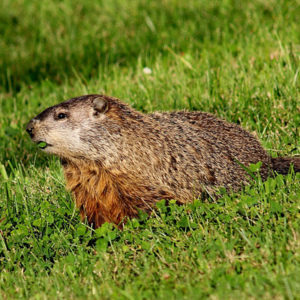
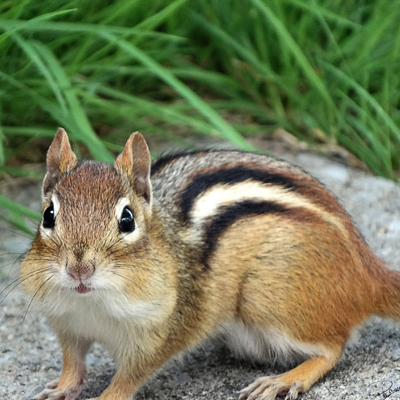
Grassland habitats are increasingly rare in New Hampshire. Many wildlife species, such as shrubland and young birds, butterflies, insects, and cottontails use these open areas of fields and wildflowers to meet their needs for food, cover, or breeding. Many grasslands today are the result of land clearing. If not maintained, these habitats will grow back into shrubs, small trees, eventually reverting to forest.

SALT MARSH
Salt marshes are coastal wetlands that are regularly flooded and drained with tidal seawater. They grow in marshy soils made up of deep mud and decomposed and compressed plant material called peat. Salt marshes help to maintain healthy fisheries, coastlines and communities. They provide shelter, food and nursery grounds for many coastal fisheries species. Salt marshes also protect shorelines from erosion by creating a buffer against wave action.
ROCKY SHORE
The rocky shore, or rocky intertidal, is one of the hardiest, most biodiverse, and variable ocean habitats. Twice each day, as sea levels rise with the tide, salty water rushes in to submerge the rocky shoreline. At low tide, seawater recedes to reveal small pools and crevices filled with algae and marine invertebrates such as sea stars, sea urchins, snails, crabs and other sea life.
FRESH WATER POND
Ponds are considered to be part of the freshwater habitat, which are divided into flowing water and standing water. Standing water habitats are divided into lakes, ponds, and swamps. Ponds can be even further divided into those with bare bottoms and those whose bottoms contain vegetation.


FOREST
Although dominated by trees, shrubs and large woody vegetation, forest habitats also include other components, such as: bacteria, plants, birds, mammals, reptiles, amphibians, soil, water and air. All of these components, when functioning properly in a healthy forest habitat, work together to support this peaceful and important environment.

GRASSY FIELD
Grassland habitats are increasingly rare in New Hampshire. Many wildlife species, such as shrubland and young birds, butterflies, insects, and cottontails use these open areas of fields and wildflowers to meet their needs for food, cover, or breeding. Many grasslands today are the result of land clearing. If not maintained, these habitats will grow back into shrubs, small trees, eventually reverting to forest.


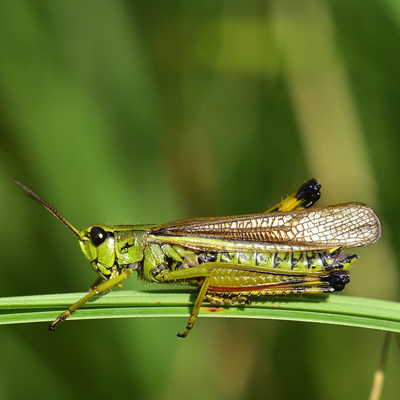
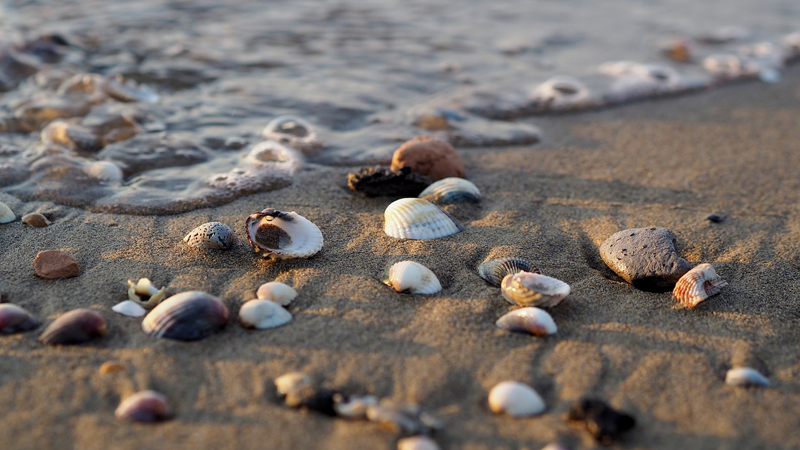
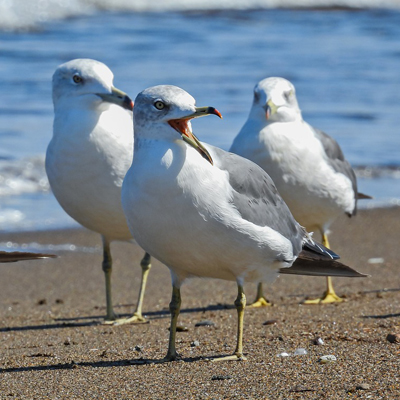
SANDY BEACH
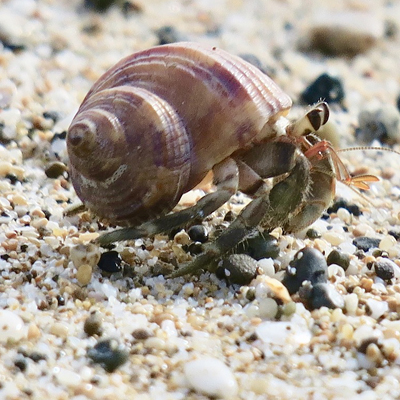
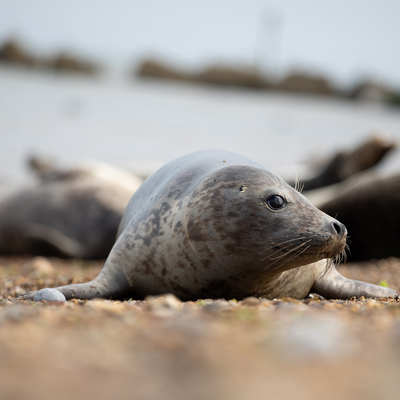
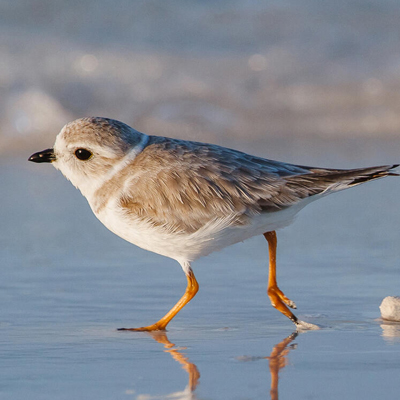
Although home to numerous species, sandy beaches do not exhibit the same abundance and biodiversity of species one would find on a rocky shore. Sandy beaches have important linkages with adjacent ecosystems, such as the salt marsh, open water and rocky intertidal. Many organisms, including algae, eelgrass, clams, worms, crustaceans, snails and many more, make their homes on these shifting, sandy shores