odiorne POINT state park
ROCKY SHORE ADVENTURE
Ready to get your feet wet?
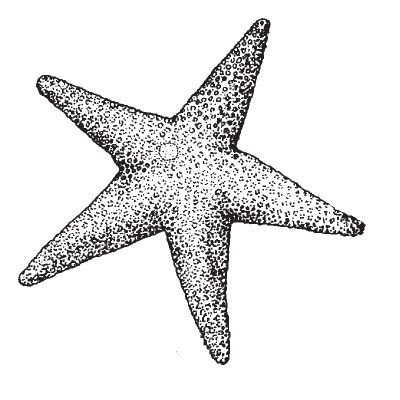
The rocky shore is an environment in a constant state of change. Twice each day, as sea levels rise with the tide, salty water rushes in to submerge the rocky shoreline, or intertidal zone. At low tide, seawater recedes to reveal small pools and crevices filled with algae and marine invertebrates such as sea stars, sea urchins, snails, crabs and other sea life. There are lots of beautiful tide pools to discover and explore in Odiorne Point State Park. Ready to get your feet wet? Learn more about how and where to safely explore tide pools below.
TOUR GUIDE TO TIDE POOLING
What is a Tide Pool?
A tide pool is a small pocket of water that gets
trapped in the rocks at low tide. A tide pool gives
you an amazing window into who and what lives
under the water. There are three zones (high,
middle, and low) created as the tide goes out over
a six hour period. The high tide zone has more air
exposure throughout the day and the low tide
zone has less. Come explore all three zones and
find the special adaptations of the plants and
animals that live there!

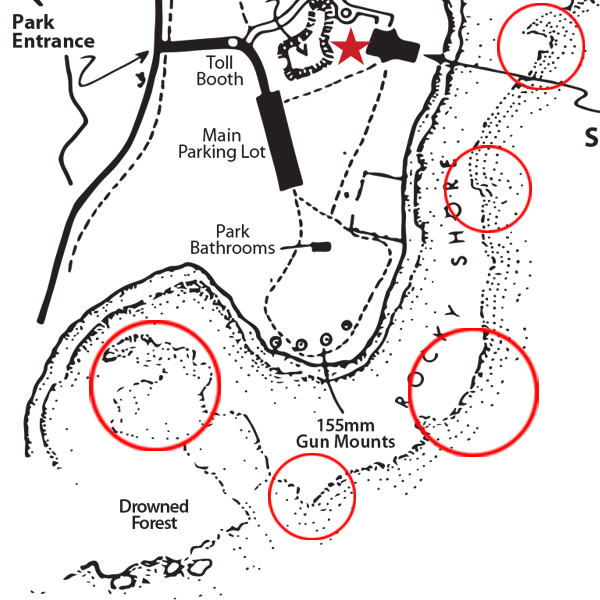
Where can you find the tide pools?
TIPS FOR TIDE POOLING
- It’s best to go at low tide, or within 2 hours of low tide.
- Leave no trace! Always place rocks and seaweed back where they were as you explore.
- Be gentle with everything you find and put things back where they came from.
- If something is attached to a rock or the ground, leave it in place.
- Rocks and seaweed are slippery, so be careful!
- Pay attention to the water levels. It is easy to lose track of time exploring.
- Be aware of wave action and know that the water will be coming back in eventually.
- Remember that collecting is prohibited.
- Enjoy yourself, explore, observe and wonder about what you see!
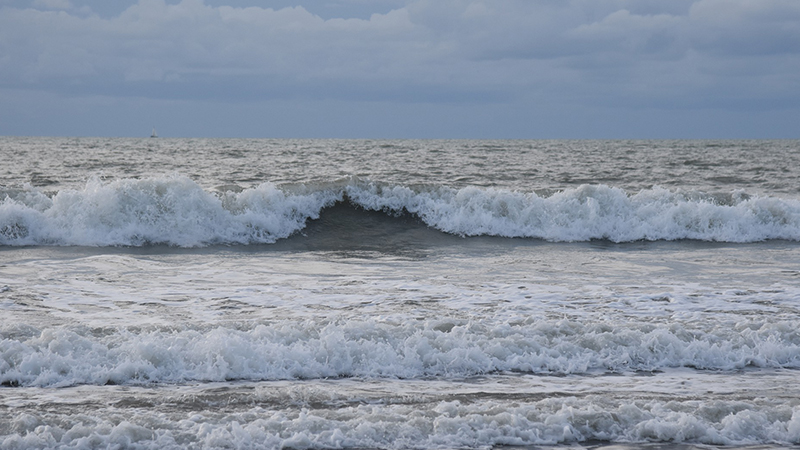
High Tide
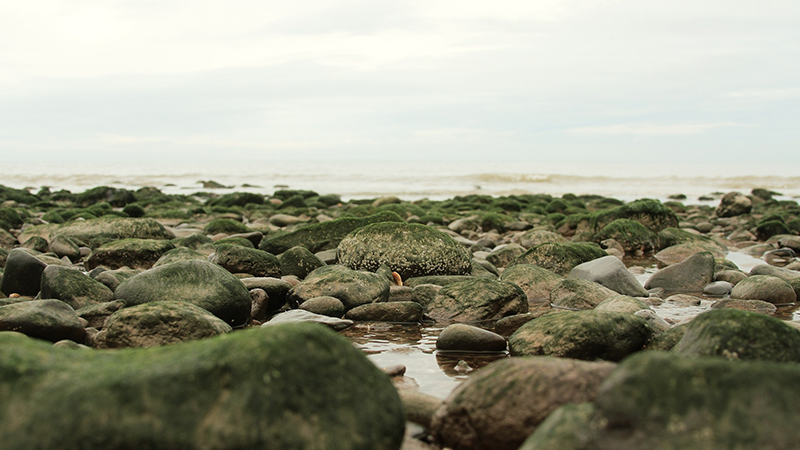
Low Tide
What did you notice?
As you find different objects or creatures in the tide pools, slow down and take a second to observe. What can you notice?
Use your senses:
What do you see?
Close your eyes.
What do you hear? Smell? Feel?
Find Patterns
After making some observations, can you notice any patterns?
Does anything remind you of something else?
Can you find two things that are similar?
Two things that are different?
I Wonder…
What questions do you have?
What do you wonder about?
ROCKY SHORE SPECIES GUIDE.
How many can you find?

Rock Barnacle
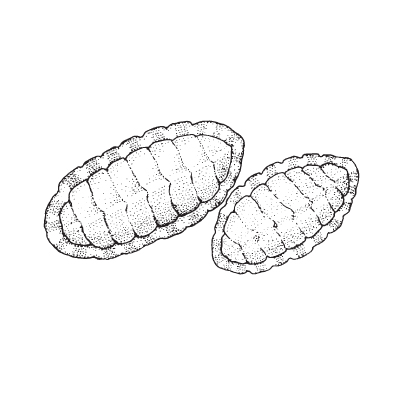
Red Chiton
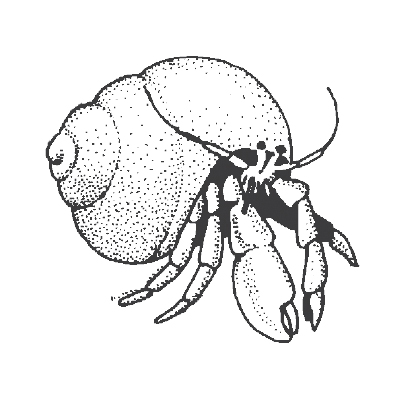
Hermit Crab
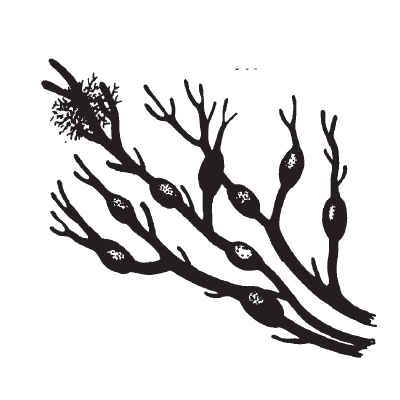
Rockweed (ascophyllum)
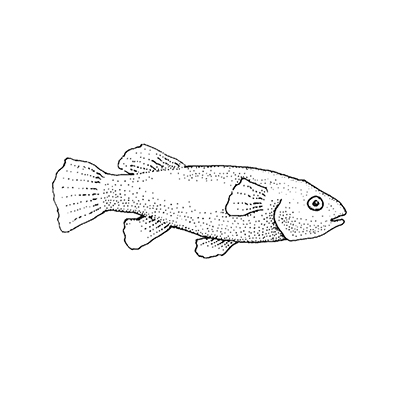
Mummichog
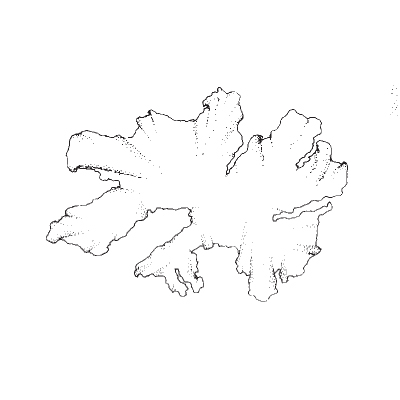
Sea Lettuce (ulva)
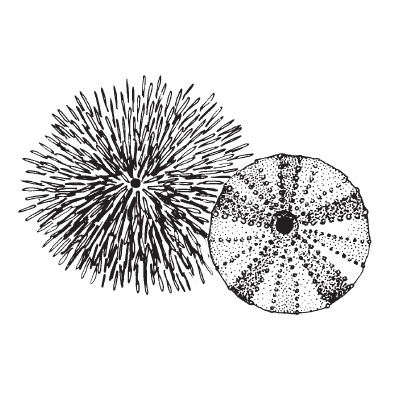
Green Sea Urchin
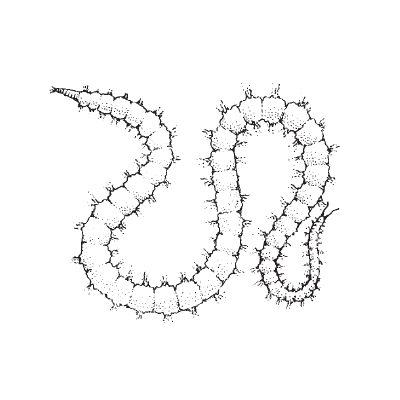
BloodWorm
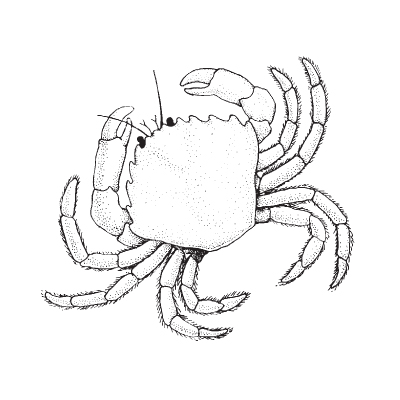
Green Crab
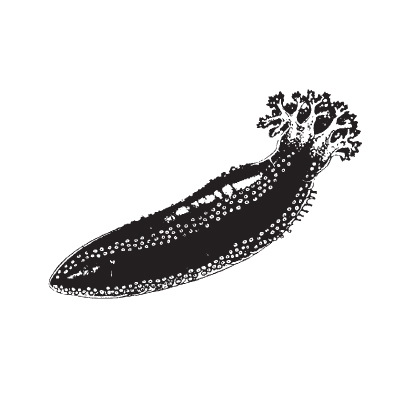
Cucumber

Limpets
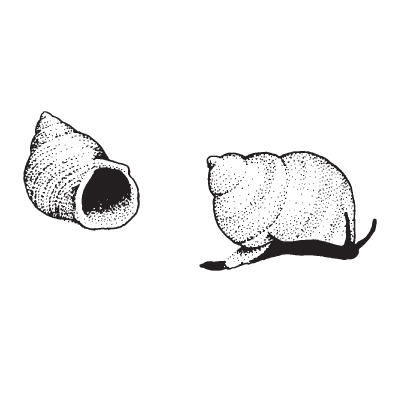
Periwinkle-rough

Blood Star
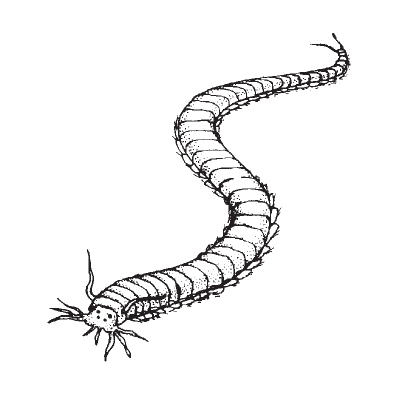
Clam Worm
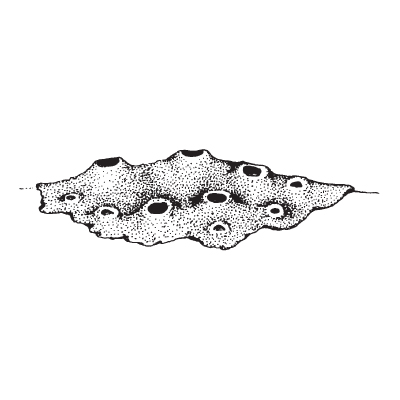
BreadCrumb Sponge
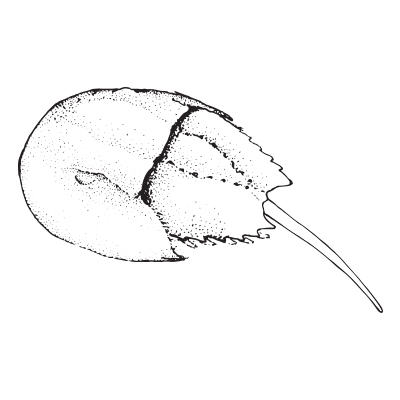
Horseshoe Crab
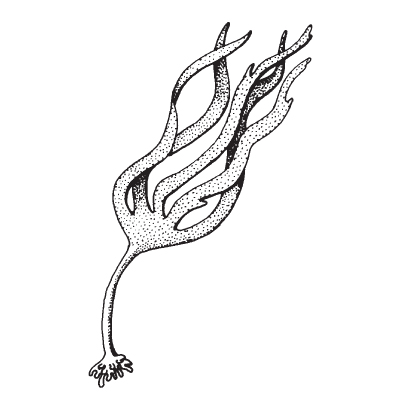
Kelp-Digitata
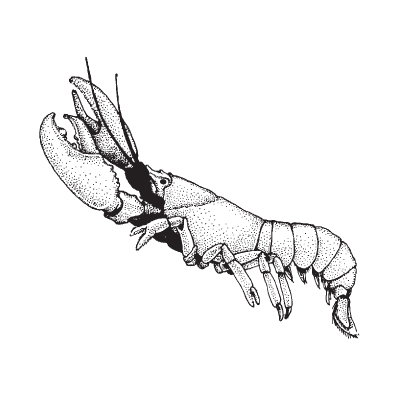
American Lobster
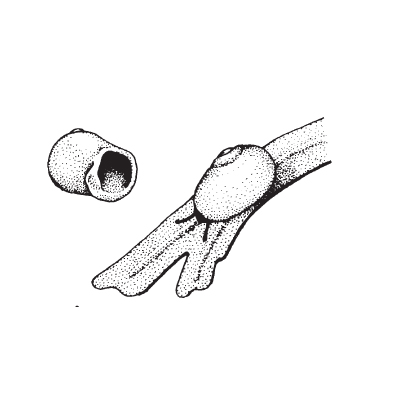
Periwinkle-smooth

Brittle Star
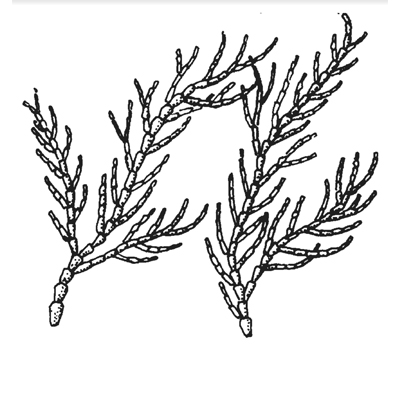
Carolline Algae
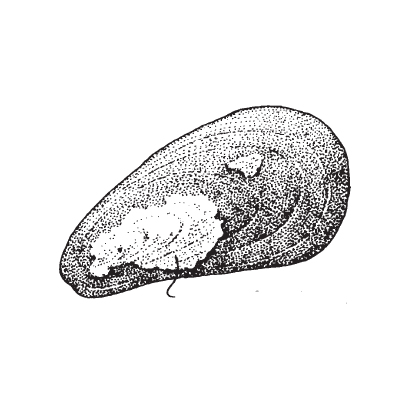
BubbleGum Algae

Jonah Crab
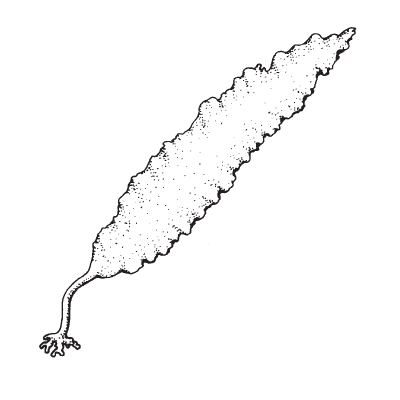
Kelp-Saccharina
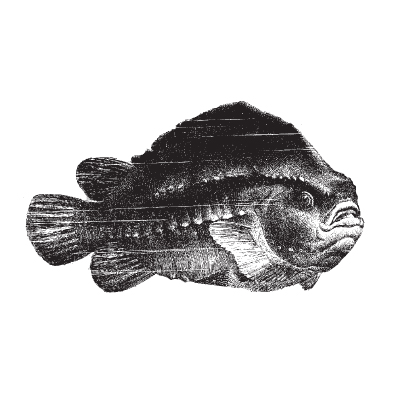
Lumpfish
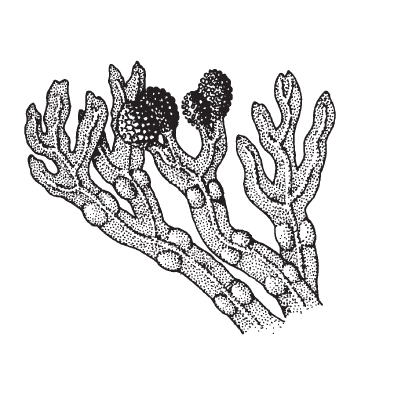
Rockweed